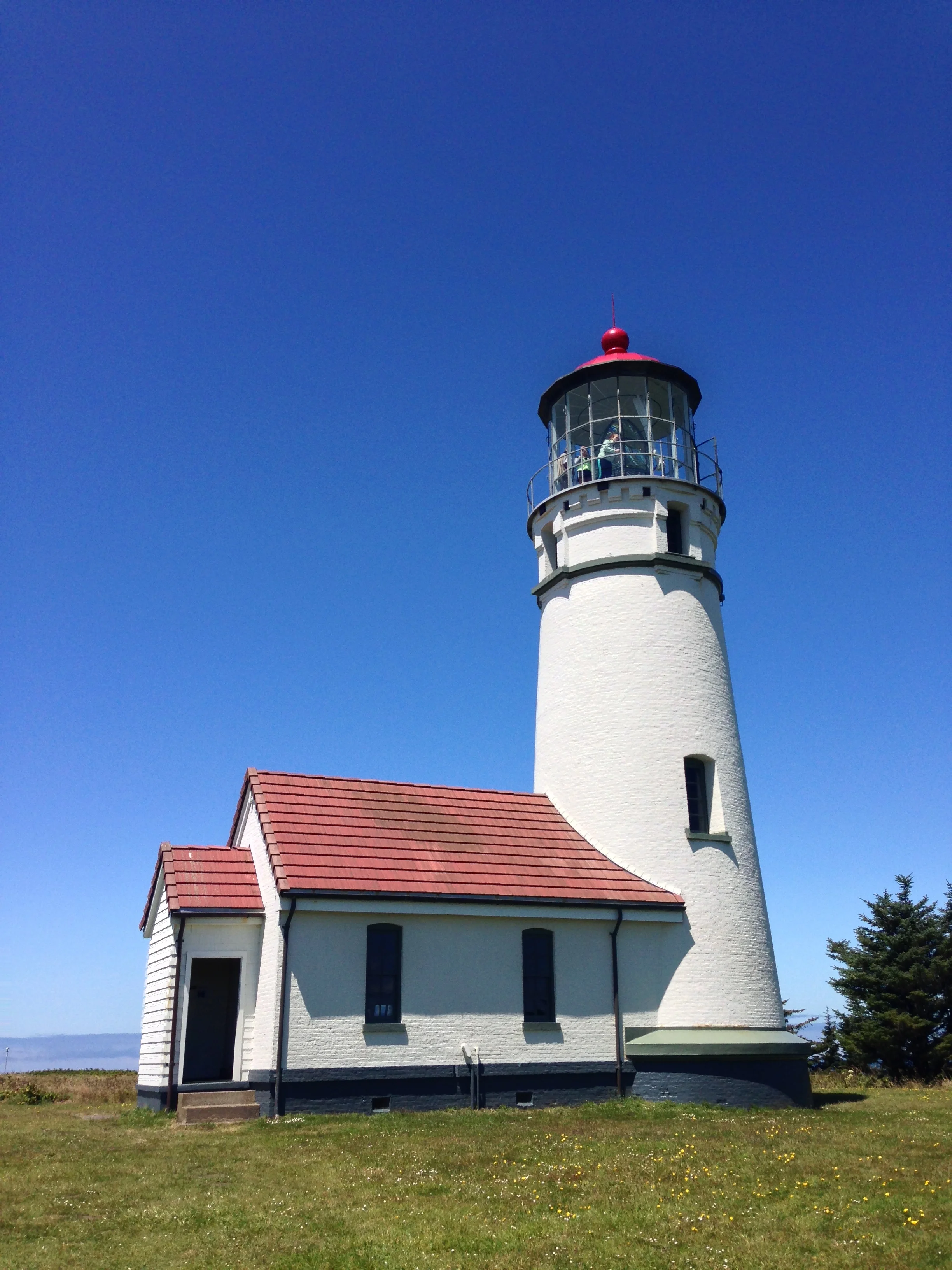
Nestled along the southern Oregon Coast is the Cape Blanco Lighthouse. Although it is a relatively unassuming structure, this lighthouse holds a number of interesting records.
As you’ve seen above, #preservethegood could mean anything – it could mean helping someone in a time of need; it could be picking up trash on a trail, or a wilderness area; it could be educating people on leave no trace principles; it could be making a difference in any way you want; and it could be just about anything you want as long as you are focused in keeping the magic and the unique positive things in this world and this life. In terms of tangible things, I encourage you, my readers and followers to use the hashtag when you post a photo of something amazing; or when you’re talking about something exceptional you – or someone else has done to improve the world. I look forward to seeing how all of you end up preserving the good in 2015, and you can rest assured that as always, I will keep preserving the good where I find it as well, because as Plato says, “Good actions give strength to ourselves and inspire good actions in others.”
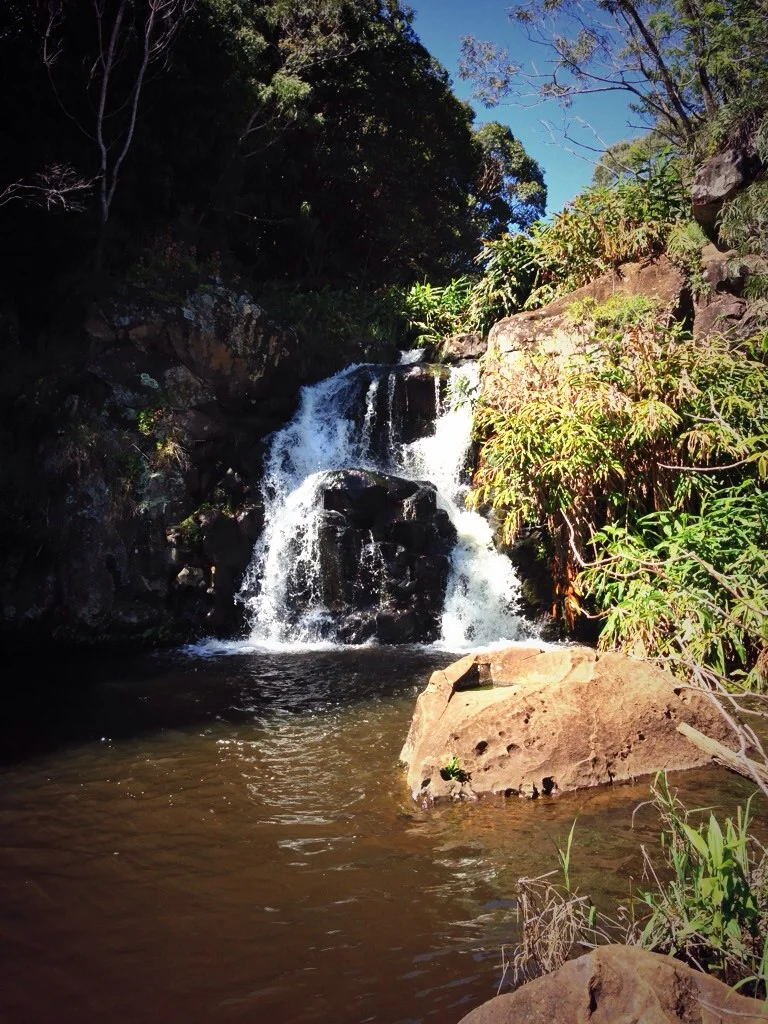
As I mentioned previously, Waimea Canyon is a site that is most definitely one of the “must-view” locations on Kauai, and in the world; and as I also mentioned, the best way to experience it is to hike it. While there are many great hikes through the canyon, the best hike in my book is the Canyon Trail to Waipoo Falls. It is the best hike to me because at four miles roundtrip, it is accessible, it has stunning views of the canyon from inside the canyon, and it ends at the top Waipoo Falls. It also allows the hiker the chance to swim in a waterfall, which is a once in a lifetime experience.
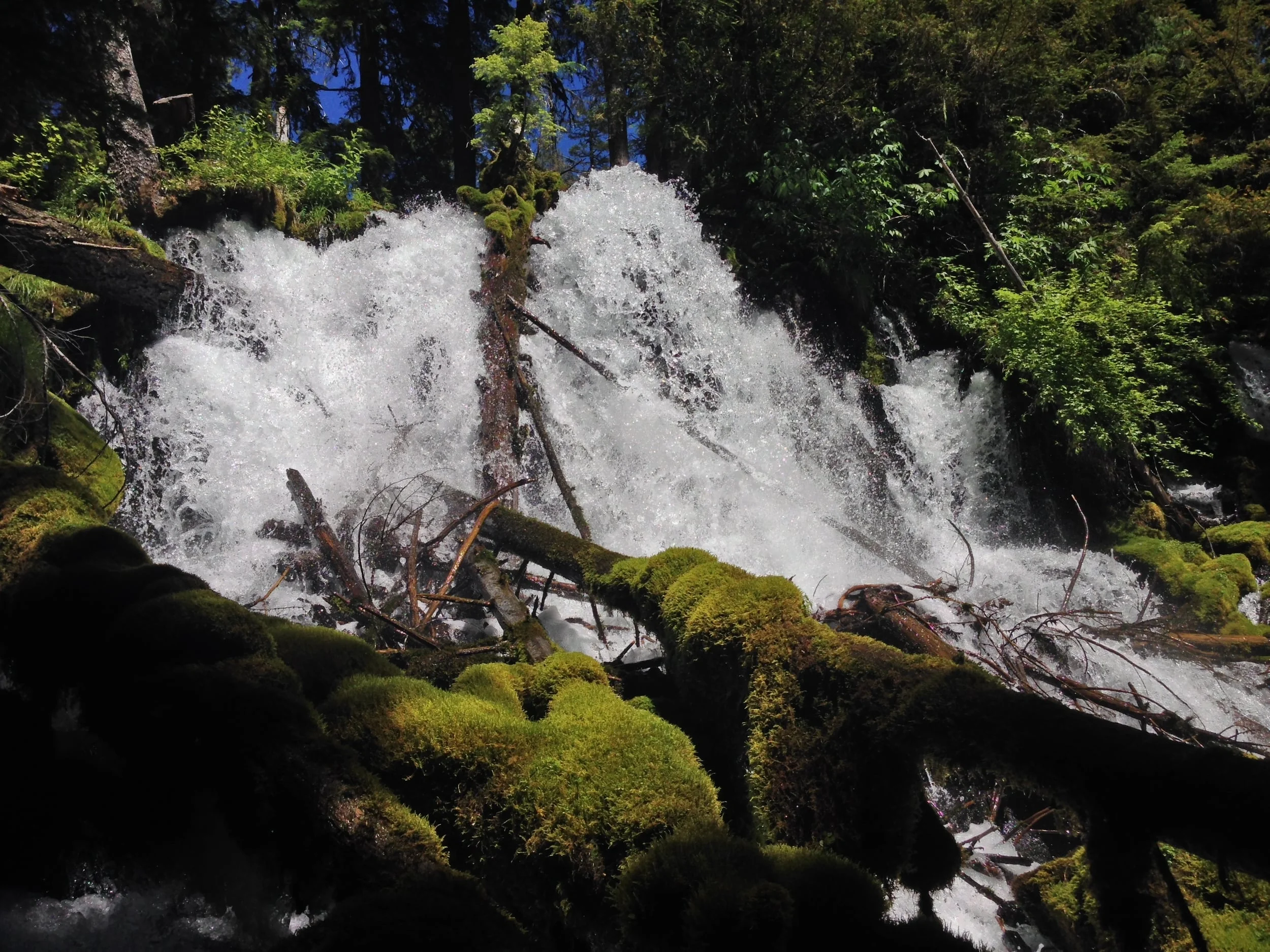
One of the best places to see waterfalls in the United States is relatively unknown, and a little off the beaten track. However, if you are willing to explore a bit, and have the flexibility to spend at least a day adventuring about without a set schedule, you will be amazed by what you will see; and by what you can discover. The location is the North Umpqua River, located in South-central Oregon.
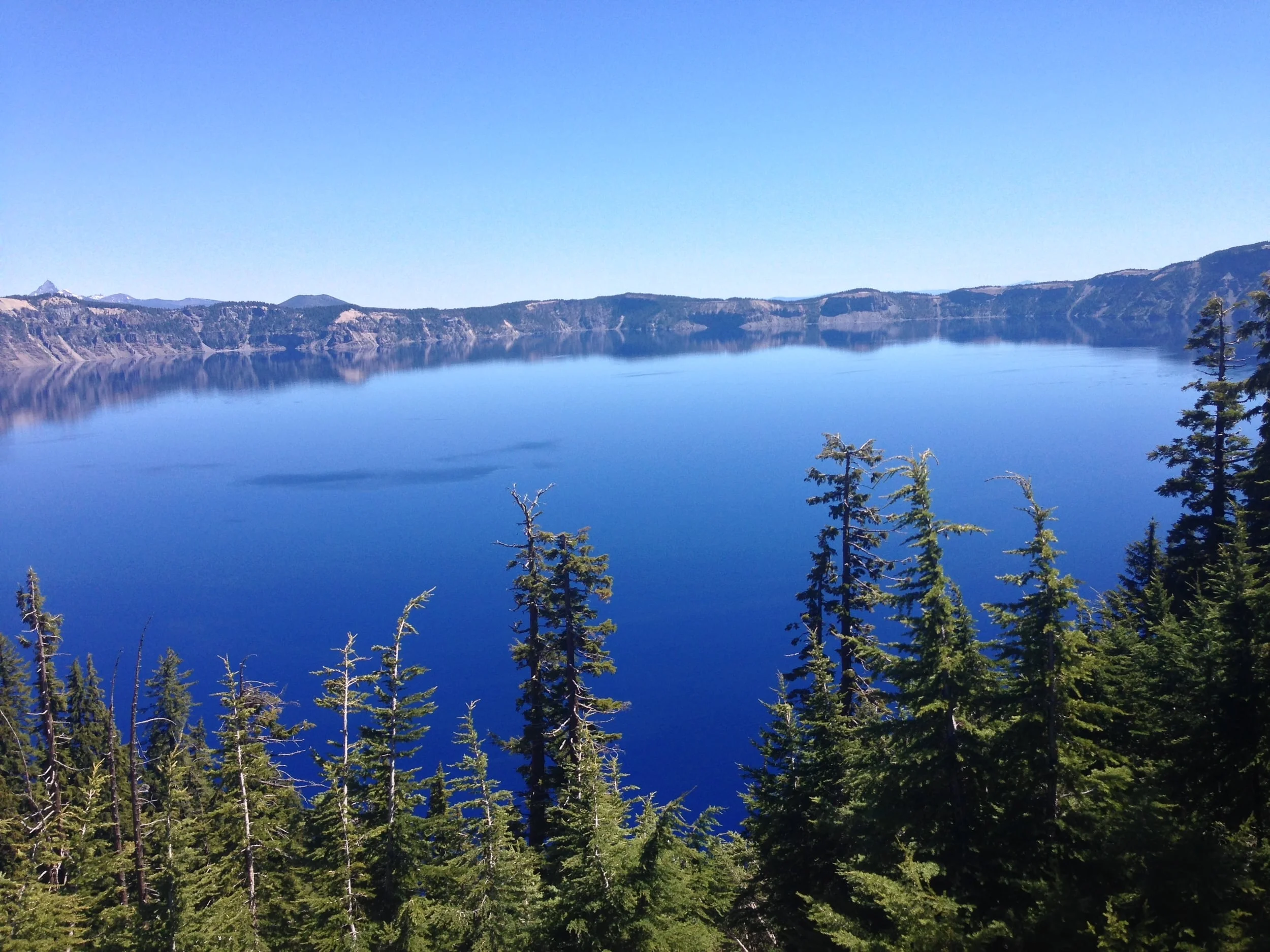
Crater Lake National Park is one of the most remote National Parks in the contiguous United States, but it is also one of the most beautiful National Parks. For hundreds of years, people have been impressed by the incredible cerulean blue color of the lake, and have been inspired by the incredible natural beauty that exists throughout the park. While there is not a bad view of the lake from anywhere along the crater rim, one of the best views is easily accessible in Rim Village at the Sinnott Memorial Overlook.
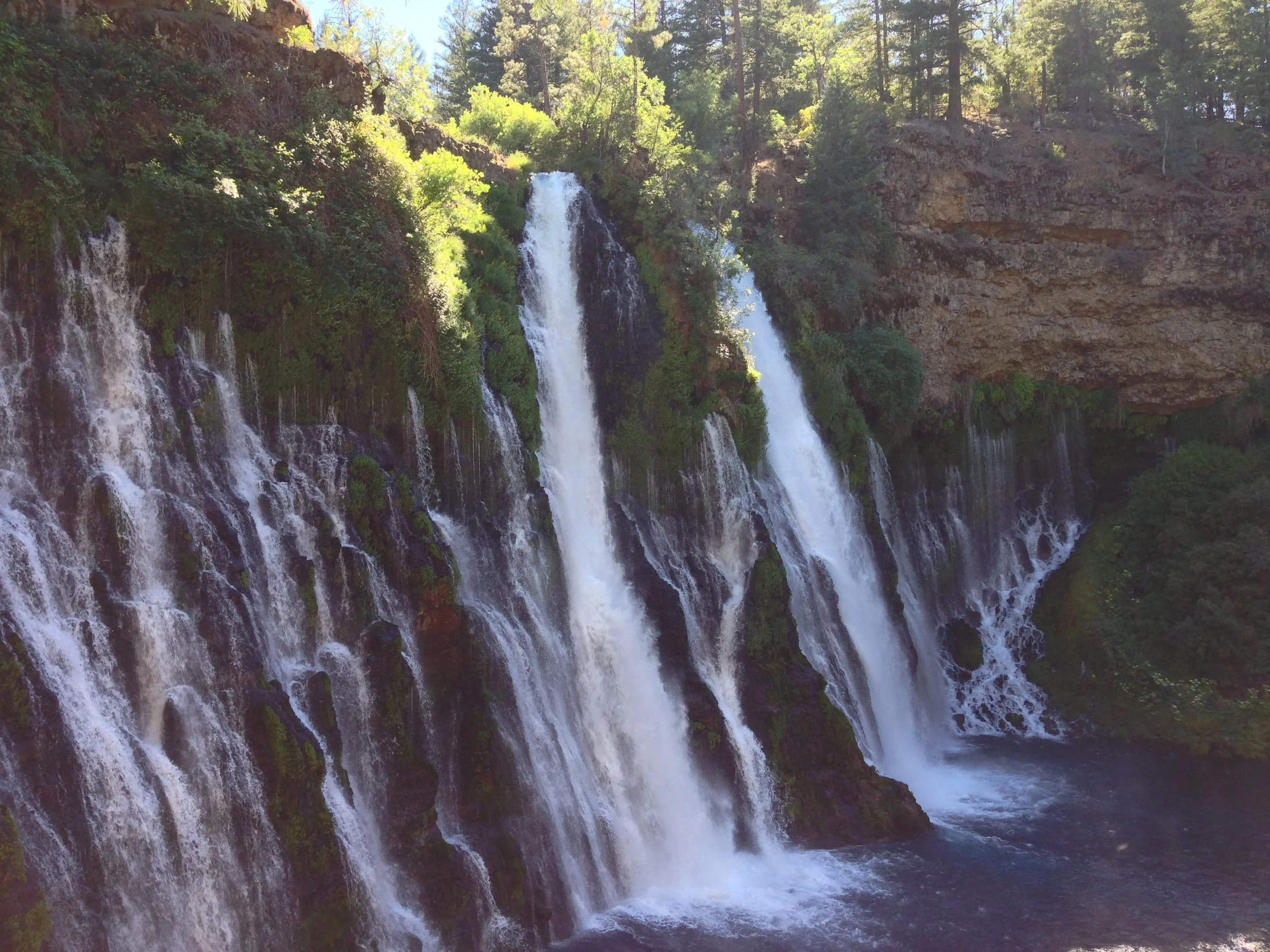
Here's a pop quiz for you: as fast as you can (and without using Google), name the seven wonders of the world. In 2014, chances are that you can't do it, because it's too vague of a question as there are a plethora of lists touting different versions of the many wonders that exist around the planet. Irrespective of what the original seven wonders of the world are; or what the modern seven wonders of the world are; or who voted on the list of the seven wonders, there is only one eighth wonder of the world. That wonder is Burney Falls, located in the Cascade Range in Northern California.
Once again, it's that time of year, when the sons of Perseus streak across the nighttime sky. Generally, this is a great meteor shower to watch, as the Perseids are one of the larger showers that have been observed continuously from 36 A.D. through the present day. This year, however, the annual Perseid Meteor Shower coincides with a supermoon. The supermoon of August 10, 2014, is not just any supermoon - it's the largest supermoon of all of 2014. It also has a number of names, such as the Sturgeon moon; the Green Corn Moon; and the Grain Moon. This supermoon will also be 14% closer and 30% brighter than all of the other full moons of 2014. And, in terms of hard numbers, the August 10 full moon will be 221,675 miles away from the Earth; and while this may seem far, this is actually the closest the moon will be to the Earth until the full moon of September 28, 2015.
Unfortunately, the arrival of the supermoon on August 10, 2014 means that this year, the Perseid Meteor Shower will be hard to see, as its peak days will be August 12-13, 2014, and during those nights, the light of the supermoon will flood the sky. If you are still interested trying to see the Perseids this year, the best time to view is anytime from August 6, 2014 to August 13, 2014 during the pre-dawn hours, after the moon has set, from 2am until dawn.
The other thing that will aid you in catching a glimpse of the Perseids is to get away from unnatural light sources. The best thing you can to do to improve your chances to see the Perseids is to get outside. Cities generate a lot of light pollution, which makes it harder to see everything in the night sky, including the Perseids. Secondly, as the supermoon is bright in 2014, and will not set until the pre-dawn hours, you will need to have lots of patience. Even if you wake up in around 2am, your eyes will need a little bit of time to adjust to the dark; so sit back; relax, and enjoy watching the universe move in inscrutable and beautiful ways. Finally, be sure to have fun! If you're heading out to watch the Perseids - or the supermoon, bring food, drinks, and plenty of blankets and pillows to stay comfortable and warm.
Interested in science? You might like this NASA app HERE; and about the dust passing through our atmosphere during the shower here. And, if your interested in the Perseids, here's ten facts about the meteor shower.
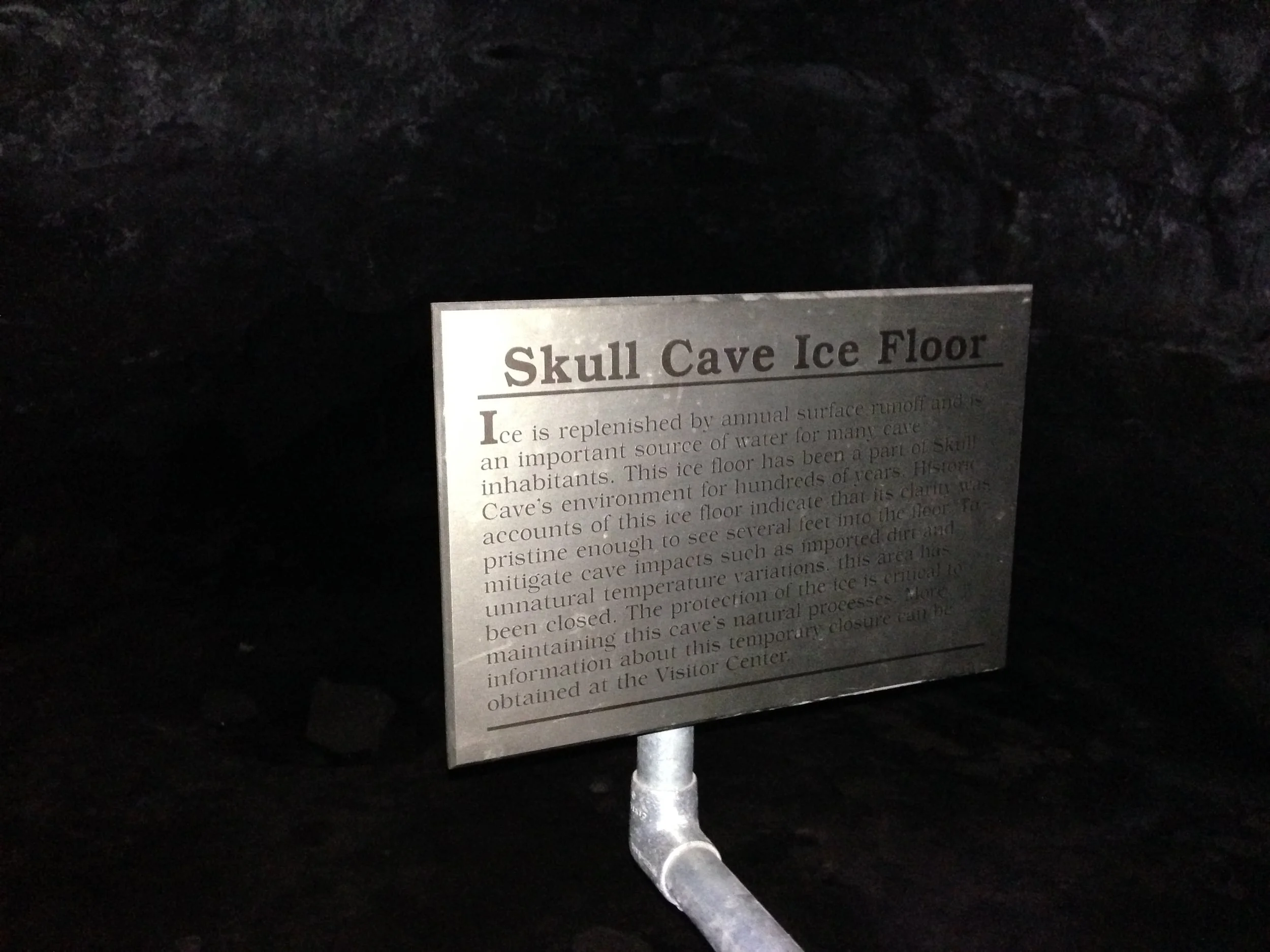
One of the lesser known gems of the National Park system is Lava Beds National Monument. Established in 1925, the park is home to the largest concentration of lava tube caves in the United States. Currently, over seven hundred (700) separate caves have been discovered in the park, and over twenty of these caves are accessible to the general public. That's right: over twenty of the caves are accessible to visitors. While there are many amazing things about Lava Beds - petroglyphs, hiking trails along the Medicine Lake shield volcano, interpretive displays about the Modoc War and more, the caves are the signature attraction. Unlike many National and State Parks which discourage or limit exploration of underground features to pre-set guided tours, Lava Beds encourages exploration of its many caves. And, as a matter of fact, Rangers will "rent" flashlights (no charge with a valid Driver's License) and provide information about the conditions found in the various caves within the park. One of the easiest caves to explore in the park with an interesting geologic and cultural history is Skull Cave.